The Power of Email Marketing: How Ecommerce Shops Build a Loyal Customer Base
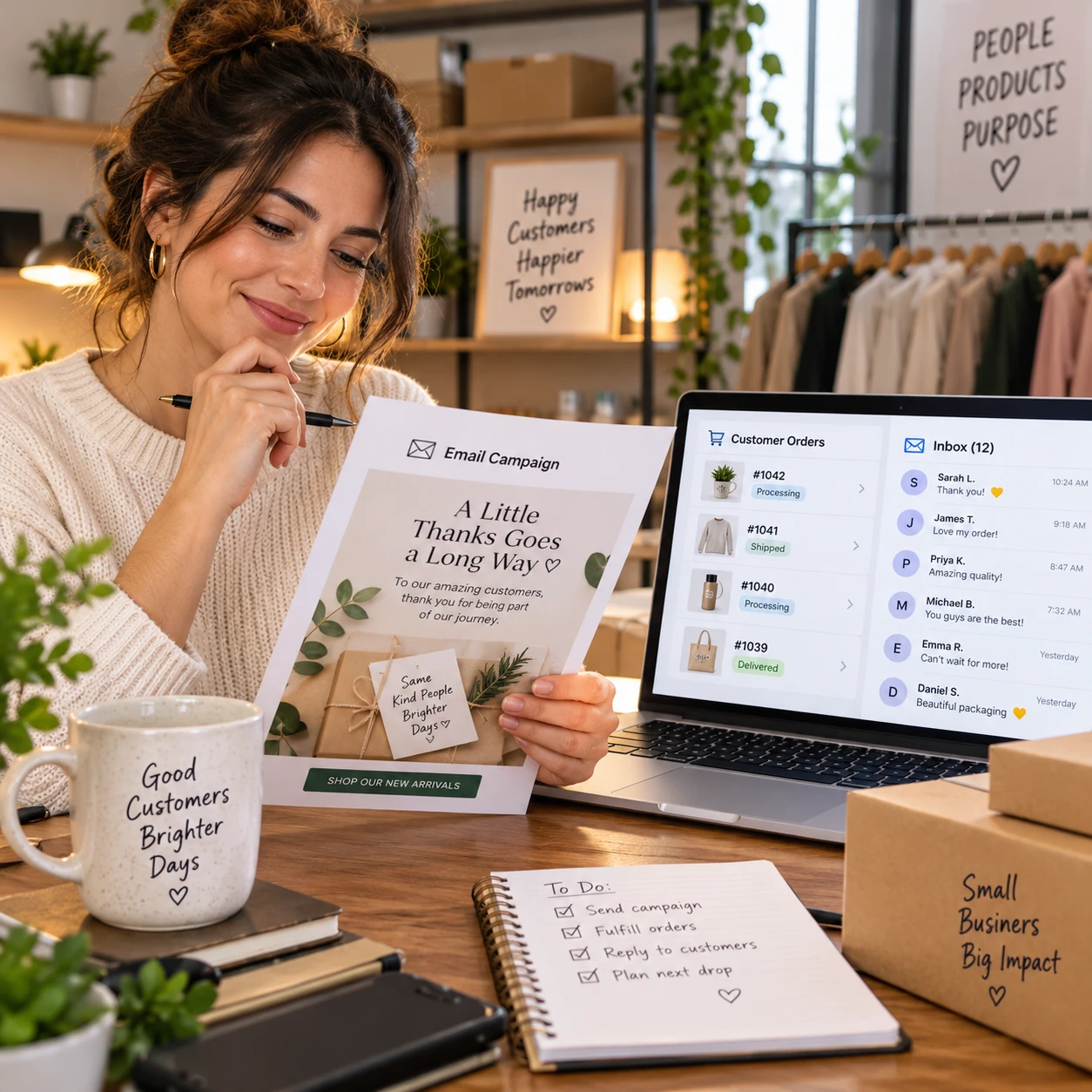
Email marketing gives an online shop a direct way to stay in touch after someone discovers or buys a product. With useful messages, sensible timing, and relevant offers, an ecommerce business can turn a one-time purchase into an ongoing customer relationship.
Email is not a guaranteed source of sales: people can ignore messages, unsubscribe, or stop buying. Its strength is the ability to communicate with permission over time, learn what customers respond to, and make the next purchase easier when it suits them.
Why email matters for customer loyalty
Email marketing supports customer loyalty by giving an ecommerce business a permission-based channel for helpful, ongoing communication. It can keep a shop familiar between purchases and give customers a reason to return when they need something again.
A social post may not reach every follower, while a well-timed email can put useful information directly in a subscriber’s inbox. That does not mean every email should sell. Order updates, product-care advice, early access, and relevant recommendations all help customers feel looked after beyond checkout.
For example, a skincare shop could send a routine guide after a cleanser purchase, then introduce a compatible moisturizer in a later message. The value comes from connecting the recommendation to a real customer need, not simply repeating a discount code.
Think of loyalty email as a service loop: help before and after purchase, listen to engagement, and adjust the next message. Repeat purchases are one outcome, but trust and a smoother shopping experience matter too. A high sending volume can damage that trust, so each campaign should have a clear purpose.
Build an email list customers want to join
Build an email list by offering a clear reason to subscribe, asking for permission, and explaining what subscribers can expect. A smaller list of interested customers is more useful than a large list built without meaningful consent.
Place signup forms where they make sense, such as the footer, a product guide, or checkout, and state the benefit plainly. An incentive might be a first-order offer, but it could also be a size guide, restock alerts, or practical tips related to the products. Tell people what kinds of emails they will receive and how often, even if the schedule is approximate.
Use an unchecked consent box where required, avoid adding customers to promotional campaigns simply because they placed an order, and make unsubscribing straightforward. Rules differ by location; shops should review the requirements that apply to their customers. The U.S. Federal Trade Commission’s CAN-SPAM compliance guide explains key obligations for commercial email in the United States.
At signup, collect only what you need. An email address may be enough to start. Asking for a birthday, product preferences, and household details all at once can add friction and reduce signups. You can learn more gradually through optional preference choices or customers’ interactions with your store.
Send useful emails at every stage of the customer journey
Use a welcome series, post-purchase messages, replenishment reminders, and win-back emails to support customers at different stages. Each campaign should answer a timely question or provide a useful next step, rather than treating every subscriber as ready to buy.
Welcome new subscribers
A welcome series introduces the shop and sets expectations. Start by delivering the promised offer or resource, explain what the store sells, and point to a small selection of products or helpful buying information. A short sequence of two or three messages is often enough to begin; keep the timing and length appropriate to your product and audience.
Support customers after purchase
Post-purchase emails can confirm what happens next, share shipping or care information, and invite a review after the customer has had time to use the product. A cookware retailer might send cleaning instructions before suggesting a matching accessory. Avoid recommendations that arrive before the original order is fulfilled or that ignore what the customer already bought.
Make replenishment and win-back relevant
Replenishment automation works best when the product has a plausible usage cycle. A reminder for coffee beans may make sense after a few weeks, while the same timing would feel arbitrary for a durable backpack. Let customers control reminders when possible, and treat estimates as a starting point rather than a prediction of their exact needs.
Win-back campaigns can reconnect with customers who have not purchased or engaged recently. Offer a reason to return, such as new product information or a carefully chosen incentive, but do not keep sending messages indefinitely to inactive subscribers. Set a stopping point and remove or suppress contacts who no longer want to hear from the shop.
Personalize and segment without overwhelming subscribers
Personalization and segmentation improve email relevance when they use accurate, useful information and respect subscriber preferences. Start with a few meaningful groups instead of creating a complicated system that produces little difference in the messages customers receive.
Useful ecommerce segments may include recent buyers, first-time customers, repeat purchasers, product-category interests, or subscribers who have not engaged in a while. Then tailor the email’s content: show care instructions to customers who bought a particular item, or share new arrivals in a category someone has browsed or selected as a preference.
Limited data is not a barrier. Use the customer’s first name only when it is available and reliable; more importantly, make the message relevant through the product, order stage, or stated interest. A thoughtful subject line and a clear explanation of why a recommendation fits are more helpful than a greeting that uses a name but offers unrelated products.
Frequency matters as much as relevance. If promotional emails arrive too often, subscribers may ignore them or leave the list. Set a manageable schedule, offer preference controls where practical, and coordinate automated campaigns with regular newsletters so one customer does not receive several messages in a short period.
Measure what builds lasting engagement
Measure email marketing with a combination of opens, clicks, conversions, repeat purchases, and unsubscribes. No single metric proves customer loyalty, so review engagement alongside customer behavior over time.
- Opens: A rough signal of subject-line and audience interest, but open tracking can be affected by privacy features and should not be treated as an exact count.
- Clicks: Show whether subscribers found a link or offer compelling enough to explore. Compare clicks with the email’s goal, such as reading a care guide or viewing a product.
- Conversions: Indicate purchases or another defined action attributed to a campaign. Attribution can be imperfect, so avoid assuming every recorded purchase happened only because of the email.
- Repeat purchases: Help reveal whether customers return after their first order. Compare groups or time periods carefully, since product type and buying cycles vary.
- Unsubscribes and complaints: Warn that relevance, consent, or frequency may need attention. Look for increases after particular campaigns rather than reacting to one isolated result.
Review results against the campaign’s purpose. A post-purchase guide may earn few immediate sales but still help customers use a product successfully. For a clearer view of loyalty, examine repeat orders and engagement across a reasonable period for your category, then compare similar customer groups where possible.
Create a sustainable email marketing routine
A sustainable email marketing routine uses a consistent, manageable cadence, tests one useful change at a time, and regularly reviews automated campaigns. The right schedule depends on your products and audience; a reliable pattern is better than sending frequently just to fill the calendar.
Start with a basic monthly review. Check whether signup expectations still match what you send, confirm that links and product details work, and look for subscribers receiving overlapping campaigns. Then review performance by email type: welcome, post-purchase, replenishment, and win-back messages have different jobs and should not be judged by identical targets.
When testing, change one element at a time, such as the subject line, call to action, or send timing. Keep the audience and measurement period comparable. Small tests can guide decisions, but results from a small list may be inconclusive; do not treat a minor difference as a universal rule.
A practical way to decide what to send is the CARE check: Is the message timely for the customer? Does it add useful information? Is it relevant to their relationship with the shop? Can they easily control or decline it? If an email fails these checks, revise it or leave it out. A thoughtful routine builds customer loyalty gradually, without making the inbox feel like another checkout lane.
Frequently asked questions
How often should an online shop email its subscribers?
There is no universal ideal frequency. Set expectations at signup, start with a cadence your team can maintain, and monitor clicks, unsubscribes, and customer feedback. Adjust if subscribers disengage or if you have genuinely useful updates to share.
What emails should a new ecommerce business send first?
Begin with a welcome email, an order confirmation and fulfillment update, and a useful post-purchase message. Add replenishment or win-back automation only when your products and customer data support relevant timing.
How can a shop personalize emails with limited customer data?
Use information you already have permission to use, such as the product purchased, order stage, or an optional preference selected by the customer. Keep recommendations relevant and avoid collecting extra personal details without a clear purpose.
Which email metrics help indicate customer loyalty?
Repeat purchase behavior, engagement across multiple campaigns, and unsubscribes can offer useful signals. Pair them with clicks and conversions, and remember that no email metric alone can fully measure loyalty.