The Ultimate Guide to Starting Your Own Online Boutique: From Idea to First Sale
Starting an online boutique is one of the most accessible paths into independent retail today. Unlike launching a physical store, you can begin with a few hundred dollars, a focused product selection, and a genuine point of view — and build something real from your kitchen table. But "accessible" does not mean easy. The boutiques that thrive are the ones that treat curation, brand identity, and customer relationships as seriously as any product they sell.
This guide walks you through every stage: from picking your niche to making that first sale. No fluff, no get-rich-quick framing — just the practical sequence that actually works.
Define Your Boutique Niche and Brand Identity
Your niche is the single most important decision you will make before spending a dollar. A boutique is not a general store — it is a curated experience built around a specific customer and a specific aesthetic or lifestyle.
Start by asking: who is your ideal customer, and what do they care about that they cannot easily find at Target or Amazon? That gap is your opportunity. A customer persona does not need to be elaborate — age range, lifestyle, income bracket, and two or three values they hold are enough to guide every product and marketing decision you make.
Niche positioning also protects your profit margin. When you are the obvious destination for "sustainable slow-fashion basics under $80" or "artisan home goods for small-space living," you are no longer competing on price alone. You are competing on taste and trust — and that is a much better game to play.
Your brand identity should flow naturally from your niche: a name, a visual palette, a tone of voice, and a short origin story that explains why you built this boutique. Customers buy from people they connect with. The story does not need to be dramatic — it just needs to be honest.
Handle the Legal and Financial Basics First
Business registration and financial setup are not glamorous, but skipping them early creates expensive problems later. Handle these before you spend money on inventory or a website.
In most U.S. states, registering as a sole proprietor or forming an LLC takes less than a day online and costs between $50 and $200. An LLC provides liability separation — worth considering even for a small boutique. Check the U.S. Small Business Administration's registration guide for state-specific requirements.
Open a dedicated business bank account immediately. Mixing personal and business finances makes tax time painful and obscures whether your boutique is actually profitable. You will also need to understand your sales tax obligations — rules vary by state and by where your customers are located, so a brief consultation with an accountant is money well spent at this stage.
Budget for these startup costs honestly: registration fees, platform subscription, initial inventory, packaging, and basic branding. A realistic first-year budget for a lean boutique launch runs between $1,000 and $5,000, depending on your sourcing model.
Choose the Right E-Commerce Platform for Your Boutique
The right e-commerce platform depends on your technical comfort, budget, and how you plan to grow — there is no single best answer for every boutique owner.
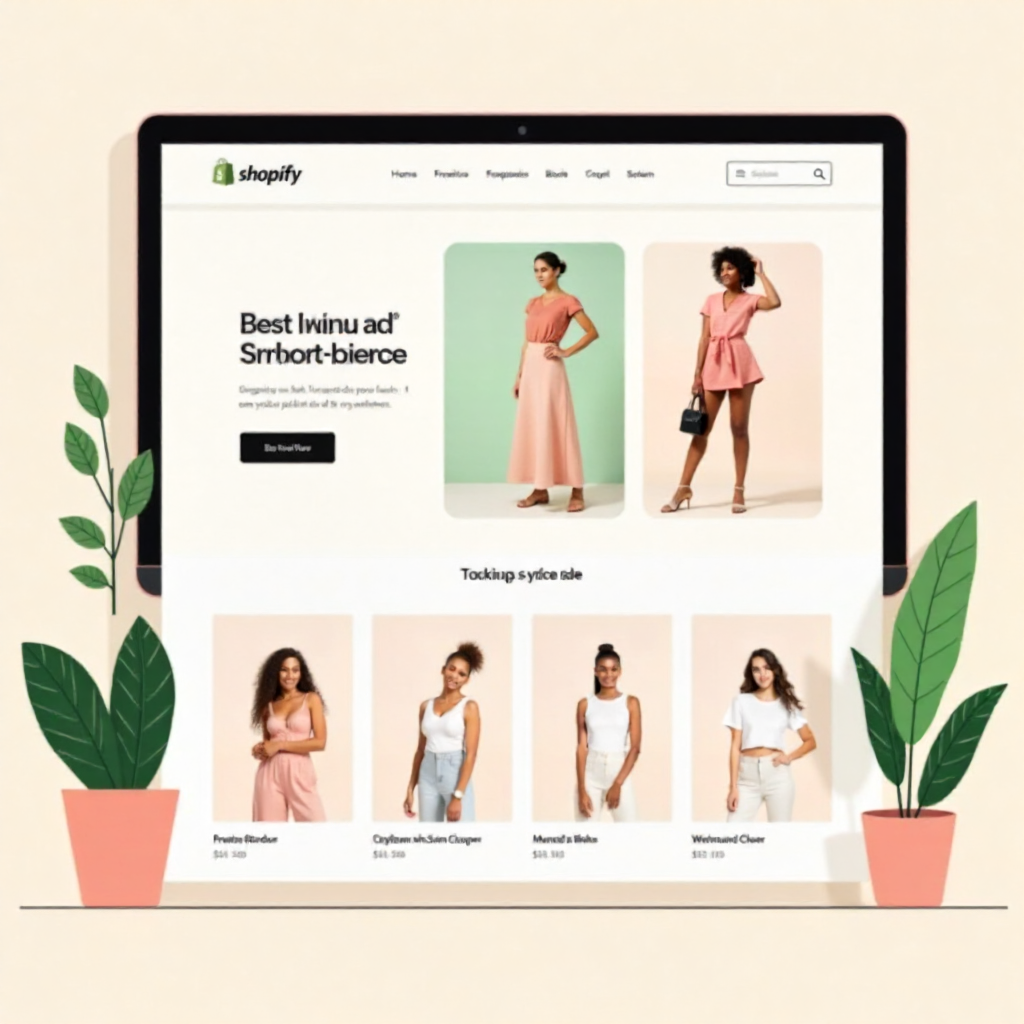
Shopify is the most popular choice for independent boutiques. It handles hosting, security, and payment processing in one place, with a monthly cost starting around $39. The learning curve is gentle, and the app ecosystem covers almost any feature you will need. The trade-off: transaction fees apply unless you use Shopify Payments.
WooCommerce is a free plugin for WordPress sites, making it attractive if you want maximum control and lower ongoing costs. The catch is that you manage hosting, updates, and security yourself — it rewards technical confidence. BigCommerce sits between the two: robust built-in features with no transaction fees, though its interface is less intuitive for beginners.
For most first-time boutique owners, Shopify's combination of ease, support resources, and scalability makes it the practical starting point. You can always migrate later as your needs evolve.
Source and Curate Your Products
Product sourcing is where your boutique's identity becomes tangible. The three main models — wholesale, dropshipping, and handmade — each carry different trade-offs in cost, control, and cash flow.
Wholesale buying means purchasing inventory upfront from suppliers and reselling at a markup. Directories like Faire, Tundra, and LA Showroom connect independent boutique owners with wholesale suppliers across fashion, home goods, and accessories. Minimum order quantities vary widely — some brands on Faire start at $100, which is manageable for a new boutique. The upside is higher profit margins and full control over product quality. The downside is tied-up capital in inventory.
Dropshipping eliminates inventory risk: you list products, a third-party supplier ships directly to your customer, and you keep the margin. The reality is that margins are thinner (often 15–30% versus 50–70% for wholesale), and you have no control over packaging or shipping speed — both of which matter enormously for boutique brand experience.
Handmade or locally sourced products are a strong differentiator for boutiques built around artisan or regional identity. The limitation is scalability — your production capacity becomes your growth ceiling.
Vet any supplier before committing: order samples, check return policies, and look for reviews from other boutique owners. A supplier who cannot deliver consistently will damage your reputation faster than almost any other mistake.
Build Your Online Store and Set Up Payments
A well-built boutique storefront converts browsers into buyers — and it does not require a designer or a big budget. Focus on clarity, trust, and photography.
Choose a clean theme that puts your products front and center. Most platforms offer free themes that work well for boutiques. Your homepage should communicate your niche within three seconds: who you serve, what you sell, and why your selection is worth their attention.
Product photography is where many new boutique owners underinvest. Flat lays on a consistent background and lifestyle shots on a real person outperform anything else for conversion. A smartphone with good natural light and a $20 foam board reflector can produce professional results.
Integrating a payment gateway is straightforward on most platforms. Shopify Payments, Stripe, and PayPal are the most common options. Offer at least two payment methods — credit card and a digital wallet like Apple Pay or Shop Pay — since checkout friction is one of the top reasons customers abandon carts. Ensure your store has an SSL certificate (standard on hosted platforms) so customers see the padlock icon in their browser.
Price Your Products for Profit
Pricing is where many boutique owners leave money on the table — usually by underpricing out of fear rather than math. A simple formula prevents this.
Start with your cost of goods sold (COGS): the wholesale price plus any per-unit shipping or packaging cost. Then apply a keystone markup as a baseline: retail price = COGS × 2. That gives you a 50% gross margin, which is the industry standard for independent retail. From there, adjust based on your market positioning and what comparable boutiques charge.
Do not forget overhead. Platform fees, transaction fees, marketing spend, and your own time are real costs. If your keystone margin does not cover those and leave a net profit, you need to either negotiate better wholesale pricing or raise your prices. Competing on price against mass retailers is a race you will not win — competing on curation and experience is one you can.
Review your pricing strategy quarterly, especially as you learn which products sell quickly and which sit. Fast-moving items can often support a higher price; slow movers may need a promotion or replacement.
Market Your Boutique and Drive Your First Sales
Marketing a boutique is less about paid advertising and more about building a community around your point of view. The channels that work best for independent retail are the ones that let personality come through.
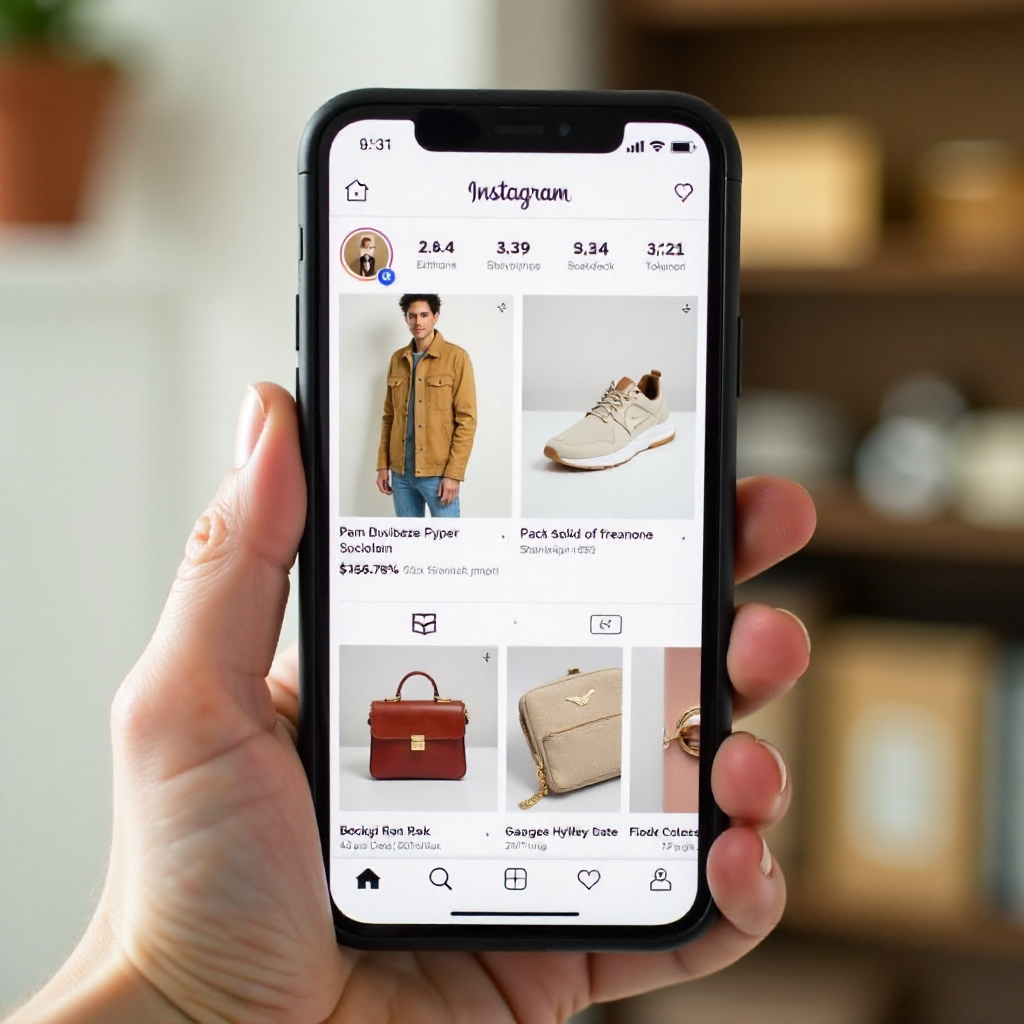
Instagram shopping and TikTok are the highest-leverage starting points for product-based boutiques. Consistent posting — three to five times per week — of product styling, behind-the-scenes content, and genuine storytelling builds the kind of audience that actually buys. Tag products directly using Instagram's shopping feature to shorten the path from discovery to purchase.
Build an email list from day one. Even if you only have 50 subscribers at launch, email converts at two to three times the rate of social media for boutique retail. Offer a small discount or early access to new arrivals in exchange for sign-ups. Platforms like Klaviyo (free up to 250 contacts) integrate directly with Shopify and make automating a welcome sequence straightforward.
Organic content — styling guides, "how I source" posts, customer spotlights — builds topical authority and search visibility over time. It is slower than paid ads but compounds in value rather than stopping the moment you stop spending.
For your first sale specifically: tell people. Announce your launch to your personal network, post in relevant Facebook groups or Reddit communities, and consider a small launch promotion (free shipping or a bundle deal) to reduce the friction for early adopters. Your first ten customers are the hardest to get and the most valuable — treat them accordingly, and they will bring you the next ten.
Frequently Asked Questions
How much money do I need to start an online boutique?
A lean boutique launch typically requires between $1,000 and $3,000. This covers business registration ($50–$200), an e-commerce platform subscription (~$400/year for Shopify's basic plan), initial wholesale inventory ($300–$1,500 depending on minimums), basic packaging, and simple branding. Dropshipping models can reduce upfront costs significantly, though at the expense of margin and brand control.
Do I need a business license to sell online?
Requirements vary by location, but most jurisdictions require at least a basic business registration and a sales tax permit if you are selling taxable goods. In the U.S., operating as an unregistered sole proprietor is technically legal in many states, but forming an LLC and obtaining any required local permits protects you legally and looks more professional to suppliers and customers alike.
Can I run an online boutique as a side hustle while working full-time?
Yes — many successful boutiques started this way. The honest trade-off is time: expect to invest 10–20 hours per week in the early months for setup, sourcing, photography, and marketing. Automating fulfillment (through a third-party logistics provider or dropshipping) and batching content creation are the two biggest levers for managing a boutique alongside a full-time job.
What is the difference between dropshipping and buying wholesale for a boutique?
With wholesale, you purchase inventory upfront, store it, and ship it yourself (or through a fulfillment service). You have higher margins (typically 50%+) and full control over the customer experience. With dropshipping, you list a supplier's products without holding stock — they ship directly to your customer when an order comes in. Margins are lower (15–30%), and you have limited control over packaging and delivery times. For a boutique focused on brand experience, wholesale is generally the stronger long-term model.
How long does it take to make the first sale?
With active marketing, most boutique owners make their first sale within two to four weeks of launch. Passive approaches — simply opening a store and waiting — can take months. The fastest path to that first sale is a direct personal announcement to your network, a launch promotion, and consistent daily posting on one or two social media channels where your target customer already spends time.